
What Exactly Makes a Casino “Offshore” and How Do These Platforms Operate?
Offshore online casinos are digital gambling platforms that operate from jurisdictions outside a player’s home country, yet remain fully accessible via the internet. By connecting through a secure web browser, users can deposit funds, select from a vast array of slots and table games, and withdraw winnings directly to their preferred payment method. Their core value lies in offering uninterrupted gameplay with broader game libraries and often more generous bonus structures than local alternatives. To begin, a player simply creates an account, verifies their identity, and makes an initial deposit to access the full range of betting options.

What Exactly Makes a Casino “Offshore” and How Do These Platforms Operate?
An offshore casino is simply one that bases its servers and corporate headquarters outside your country of residence, dodging local jurisdiction entirely. This physical distance means it operates under a foreign legal umbrella, often with looser rules on payment methods and game stakes. In practice, you deposit funds directly into the casino’s merchant account, and the platform runs through a browser or app, with your spins and cards resolved by random-number generators on those distant servers. The catch? Your bank or card issuer may flag the transaction as international, and you’re leaning on the casino’s own dispute process, not your local consumer protection. Q: Do offshore casinos hold your funds overseas? A: Yes, your balance sits in their foreign accounts, and withdrawals travel back to you as wire transfers or crypto. Essentially, you’re trusting a remote operator with no local safety net, which is why speed, withdrawal terms, and live chat response times matter more than flashy bonuses.
Key Differences Between Offshore-Only Sites and Locally-Facing Operators
The core split between offshore-only sites and locally-facing operators comes down to who they serve and how they adapt. An offshore-only platform runs a single, standardized product for global players, prioritizing broad access over regional nuance; locally-facing operators, conversely, tailor their game libraries, payment methods, and customer support to a specific country’s habits and preferences. Offshore sites typically process withdrawals in crypto or major currencies like USD/EUR, while locally-facing platforms integrate domestic e-wallets, bank transfers, and even local cash vouchers. Also, offshore-only casinos often label bonuses in generic terms, whereas locally-facing operators adjust wagering requirements to match local player expectations. Offshore-only sites can be instantly joined with minimal verification, while locally-facing operators may require local ID or proof of address for compliance, a sequence that shapes your first session:
- Pick an offshore site → deposit with crypto or card instantly, no KYC.
- Pick a locally-facing operator → verify your identity and address first, then deposit via local methods.
How Payment Processing, Currency Choices, and Crypto Options Work in This Setup
When you play at an offshore casino, payments work differently than at local sites. Banks often block transfers to these platforms, so you’ll typically use **crypto-friendly payment processing** or e-wallets like Skrill and Neteller. Currency choices are flexible—most accept USD, EUR, or GBP, but crypto options like Bitcoin, Ethereum, and USDT sidestep banking delays entirely. Here’s the usual flow: you pick a method, get a wallet address or payment page, send funds, and they land in your casino balance within minutes. Withdrawals work in reverse, often faster for crypto than cards. Just check minimums and fees for each option before you commit.
Core Benefits That Drive Players to International Gaming Platforms

When Marco’s local card room shut down for the season, he found himself chasing the same thrill on an offshore platform that never sleeps. The core benefit pulling him—and thousands like him—is *unrestricted access* to games his home market simply doesn’t offer, from live dealer baccarat to high-stakes slots with progressive jackpots that reset weekly. Beyond variety, these platforms win loyalty through **instant, crypto-friendly payouts** that bypass the bank delays he used to curse, letting him cash out a Sunday win by Monday morning. Privacy is another quiet magnet: no local records, no shared data with employers, just a username and a wallet. For Marco, the real driver is freedom—the sense that the game, not geography, sets the rules. *Q: Why switch to offshore? A: Because they offer games, speed, and anonymity your local site simply won’t match.*

Why Bigger Bonuses and Lower Wagering Requirements Are Common Here
Offshore casinos consistently offer bigger bonuses and lower wagering requirements because their operational costs are leaner, letting them redirect savings into player incentives. Without the heavy fees of local licensing or physical infrastructure, they can afford to multiply deposits by 200% or more, while keeping playthrough demands as low as 20x—versus the 40x often seen elsewhere. This structure is a competitive weapon: a lower wagering bar means you actually convert bonus cash into withdrawals faster, which builds trust and repeat play. The result is a relentless race to out-offer rivals. Lower wagering requirements are common here simply because they are the most effective conversion tool in a saturated market.
Q: Why do offshore bonuses come with easier rollover terms?
A: Because reduced overhead lets operators gamble on your loyalty—they profit from volume of play, not restrictive fine print, so they lower the bar to keep you engaged.
Access to Broader Game Libraries and Exclusive Live-Dealer Tables
Offshore platforms dramatically expand your gameplay horizon, offering libraries that dwarf domestic alternatives by aggregating thousands of titles from multiple software giants under one roof. This sheer volume means instant access to rare slots, niche table variations, and newly released games months before they appear on restricted networks. Crucially, these sites host exclusive live-dealer tables—private high-limit rooms and game-show formats like Monopoly Live or Lightning Roulette—that are simply not broadcast to regulated markets. You are not just playing; you are selecting from a curated buffet of premium, https://jerusalemonline.com often region-locked content that local sites cannot legally license. This variety and scarcity are the core pull.
- Play dozens of proprietary live-dealer tables, including speed baccarat and multi-camera blackjack, unavailable on geo-blocked platforms.
- Access entire studio portfolios (e.g., Evolution, Pragmatic Play) simultaneously, eliminating the need for multiple accounts across different domestic sites.
- Join exclusive VIP tables with higher betting limits and custom rule sets, reserved only for offshore player pools.
- Discover localized game variants (e.g., Indian Teen Patti or Brazilian Roleta) that broaden your experience beyond standard Western offerings.
Faster Withdrawals and Higher Betting Limits Compared to Domestic Sites
Offshore platforms frequently process withdrawals within hours, while domestic sites often impose multi-day waiting periods due to local banking bottlenecks. This speed stems from direct crypto or e-wallet settlement, bypassing intermediary clearance. Simultaneously, betting limits on offshore platforms regularly exceed domestic caps by tenfold or more, enabling high-stakes players to place substantial wagers without requesting special approval. Domestic operators, constrained by local risk models, typically enforce per-bet maximums that feel restrictive to experienced users. For consistent players, the combination of rapid payout access and elevated table or sportsbook ceilings creates a practical advantage, reducing friction between winning and reinvesting. Higher betting limits and faster withdrawal cycles directly improve cash flow control for active bettors.
Offshore sites beat domestic ones by paying out quickly and allowing far larger bets, giving players more financial flexibility.
How to Verify the Safety and Fairness of a Foreign-Based Casino
To verify a foreign-based casino’s safety, start by confirming its operational history through independent player forums and complaint boards, not just the site’s own claims. Check for a valid remote gambling license from a recognized jurisdiction like Malta, Gibraltar, or Curaçao, then cross-reference that license number on the regulator’s official registry, as offshore operators often display fake credentials. For fairness, demand transparency on the random number generator: look for a certification seal from an independent auditor like eCOGRA or iTech Labs and verify that seal directly on the auditor’s database, since certificates can be photoshopped. Test the withdrawal process with a small deposit first—this reveals hidden fees, slow payouts, or unfair terms that aren’t obvious in the fine print. Even a licensed offshore casino can change its terms unilaterally, so review the cashier’s banking pages for abrupt policy shifts. Finally, confirm the casino uses provably fair technology or publishes monthly payout percentages, which are harder to fake retroactively. Trust only live player reports over promotional material—consistent complaints about frozen accounts are a red flag. Always test with a minimum stake before committing real money.
Technical Checks: SSL Encryption, RNG Certification, and Provably Fair Games
Before depositing at an offshore casino, verify SSL encryption by checking the padlock icon and ensuring the URL begins with “https”—this protects all transmitted data from interception. For fairness, confirm the casino’s random number generator (RNG) holds a certification from an independent lab like eCOGRA or iTech Labs; look for the seal and its validity period. If the site offers provably fair games, test a few rounds manually: hashes and seed values should be visible before and after each bet, and you should be able to recalculate the outcome independently. A missing RNG certificate or non-auditable provably fair system is a red flag, as offshore operators face fewer technical oversight requirements.
SSL, RNG certification, and provably fair verification are the three concrete technical checks that confirm a foreign casino’s integrity before you risk funds.
Red Flags to Avoid When Reviewing Terms, KYC Demands, and Payout Records
When vetting an offshore casino, treat convoluted wagering requirements as a primary red flag—if terms demand 40x playthrough on slots *and* table games with conflicting contribution rates, the house is stacking the deck. Scrutinize KYC demands: a legitimate operator won’t ask for your passport, selfie, and bank statement *before* your first withdrawal, especially via unsecured email. Also, cross-check payout records against industry-standard timelines; a payout pending beyond 72 hours without a clear, contractual reason signals cash-flow issues. Finally, beware of «expired bonus» clauses that retroactively void winnings after 30 days of inactivity—that’s a trap designed to claw back legitimate funds.
| Aspect | Red Flag | Safer Expectation |
|---|---|---|
| Terms | Vague “managerial discretion” void clauses | Explicit, static rules on max bets and game eligibility |
| KYC | Repeated requests for same documents | One-time verification within 48 hours |
| Payouts | “Pending” status for 10+ days | Processing in 1–3 business days |
Practical Steps for Depositing, Playing, and Cashing Out on Offshore Platforms
To start, pick a payment method the site actually supports—crypto like Bitcoin or USDT is fastest for depositing on offshore platforms, since bank cards often get declined. Head to the cashier, select crypto, copy the wallet address, and send a test amount first to avoid errors. For playing, stick to games from known providers and keep your balance visible; don’t chase losses with bonus funds that have tricky wagering. When you’re ready to withdraw, go to the cashier again, choose the same method you deposited with if possible—this avoids extra verification headaches. Request a payout, and be prepared to upload ID or a selfie for KYC, even offshore. Once approved, crypto withdrawals land in minutes, while e-wallets might take a day. Always double-check the minimum withdrawal and any fees before confirming, so cashing out on offshore platforms doesn’t eat your winnings.
Choosing the Right Payment Method: Cards, E-Wallets, or Direct Crypto Transfers
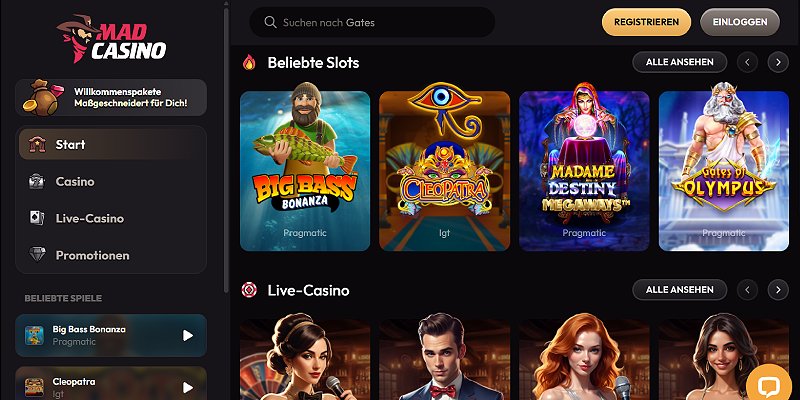
When funding offshore accounts, choosing between cards, e-wallets, and direct crypto transfers hinges on speed, fees, and privacy. Credit cards often face declines from issuers blocking high-risk transactions, making them unreliable for deposits, while cashouts may take days. E-wallets like Skrill or Neteller act as a buffer, offering faster withdrawals and avoiding direct bank scrutiny, though you may pay conversion charges. For maximum anonymity and near-instant settlement, direct crypto transfers eliminate intermediaries entirely, but require you to manage wallet addresses carefully and accept volatility when converting to fiat. Prioritize e-wallets for balanced convenience, or crypto if you value speed and confidentiality over stability.
Understanding Currency Conversion Costs and Hidden Transaction Fees
When depositing at an offshore casino, the displayed exchange rate is rarely the rate you actually receive, as operators build a margin into the conversion. Always check if your deposit is processed in your home currency or the casino’s base currency—choosing the latter often triggers a double conversion, silently inflating your costs. Before withdrawing, review the fee schedule for currency conversion, as some platforms impose a flat fee plus a percentage on each payout. Additionally, your bank or e-wallet may levy a foreign transaction charge, a cost separate from the casino’s markup. To minimize damage, compare the real-time mid-market rate against the casino’s offered rate, and consider using a digital wallet that offers interbank rates. Ultimately, hidden conversion fees can erode your winnings by up to 5% per transaction, so always calculate the total cost before confirming any cashier action.

Step-by-Step Guide to Setting Up an Account and Claiming Your First Bonus
To start, pick a licensed offshore site and hit “Sign Up,” entering only accurate details to avoid payout delays later. After email or SMS verification, navigate to the cashier and select a crypto or card method—crypto often clears fastest. For your first deposit bonus claim, locate the promotions tab and either enter a bonus code or opt in before funding, as skipping this forfeits the match. Follow this sequence:
- Create account and verify identity
- Open cashier and choose deposit method
- Enter bonus code (if required) before confirming amount
- Deposit the minimum needed to unlock the offer
- Check “My Bonuses” to confirm the credit is active
Straight Answers to Common Questions About Playing on Remote Gaming Sites
When you ask about playing on remote gaming sites, the first straight answer is that offshore online casinos operate outside your home turf, which changes how you handle deposits, withdrawals, and customer support. You’ll often find that your bank or card issuer blocks transactions, so you’ll need e-wallets or crypto to move money in and out. Another frequent question is about fairness—most offshore platforms use provably fair algorithms, but you must check the game’s hash before you bet, not after. Payout times vary wildly, but a common rule is that withdrawal speed depends on your verification status, so upload your ID on day one. Your biggest leverage is knowing that chargebacks rarely work for offshore casinos, meaning disputes go through their internal system, not your bank.
If you’re chasing a bonus, read the wagering terms twice—offshore sites often bury 40x playthrough requirements in fine print that reset if you use a specific payment method.That’s the practical reality of playing from the outside looking in.

What Happens If I Win Big and Need a Large Payout?
When you win big at an offshore online casino, a large payout typically triggers a manual review before funds are released. You will likely need to verify your identity and possibly provide proof of the deposit method used for wagering. Most sites process large withdrawals in installments, often capping monthly or weekly limits, so the full amount may take several weeks to arrive. Be aware that payment processors may flag large transactions, causing delays or extra fees on your chosen method. Always confirm your account’s maximum withdrawal threshold and request a timeline in writing before celebrating. To reduce friction, ensure your documents are pre-verified and your wagering requirements are fully met.
- Check the site’s stated maximum payout per transaction and per month.
- Expect additional KYC checks, including source-of-funds documentation.
- Choose a payout method that supports high limits, such as crypto or wire transfer.
- Confirm whether the casino caps winnings or applies fees on large payouts.
Can I Play on Mobile and Is Customer Support Actually Responsive 24/7?
Yep, you can absolutely play on mobile at offshore sites—most are fully optimized for browsers, so you just log in and spin from your phone without downloading anything. Some even offer slick native apps, but the browser route usually works just fine on both iOS and Android. As for that “24/7” support claim, it’s mostly true, but don’t expect a human to pop up instantly at 3 AM. Live chat is your best bet and often responds within a few minutes, though email might take longer. Responsive 24/7 support exists, but it’s not always instant. Just test the chat button during off-hours to see if someone actually answers before you deposit big money. Real-time player assistance is the key to avoiding frustration, so give it a quick trial run.
How Do Time Zones and Server Locations Affect Game Experience and Fairness?
When you play at offshore online casinos, server location and time zones directly shape fairness by determining latency and RNG synchronization. A distant server adds 100–300 ms ping, which can skew reaction-based games like live blackjack or twitch slots, making outcomes feel delayed rather than random. Time zone mismatches affect when daily resets, bonus eligibility, and tournament cutoffs occur—potentially placing you at a disadvantage if the casino’s “day” ends while you sleep. Fairness hinges on whether the RNG certificate timestamps align with your local clock; if not, audit trails become harder to verify. However, most reputable offshore sites use coordinated universal time (UTC) for RNG seeds, which neutralizes time-zone bias for purely random games. For skill-based titles, though, server proximity remains the only controllable factor—choose a site hosting nodes closer to your region.